

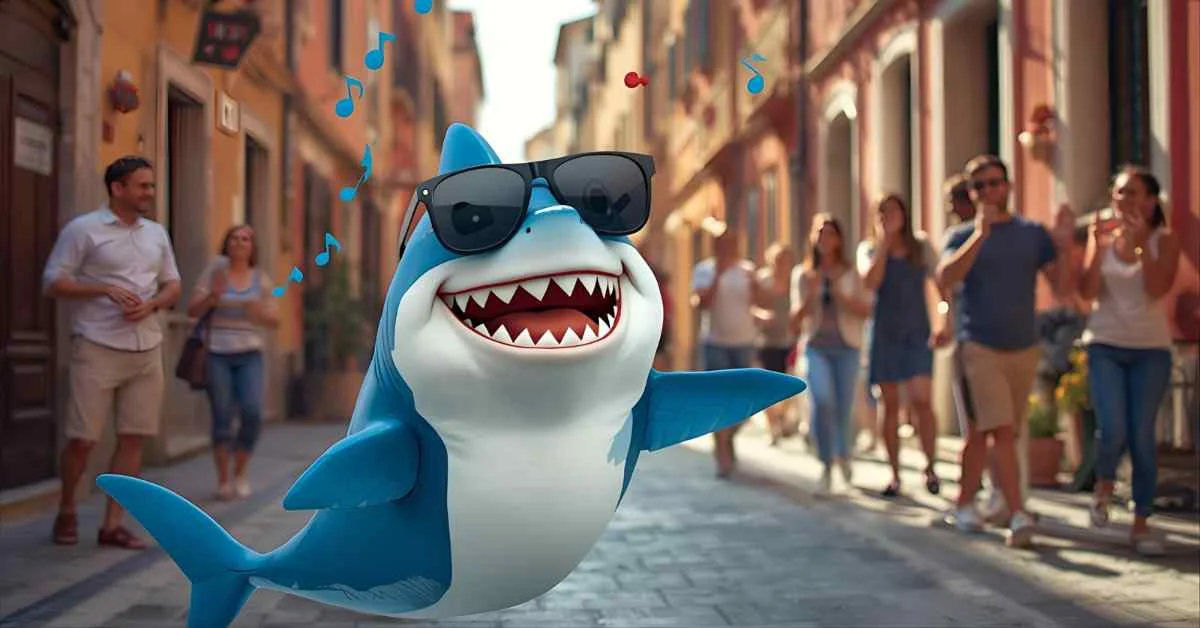
If you’ve ever encountered the phrase “tralalero tralala” in a piece of Italian music or seen it referenced in Italian culture, you might be wondering what it means. The phrase is playful and carries a certain charm, often appearing in songs, jokes, and expressions. But what does it really mean, and where does it come from? In this post, we’ll dive into the meaning of “tralalero tralala” in Italian, explore its origins, and uncover its cultural significance.
Understanding what does tralalero tralala mean in italian
The phrase “tralalero tralala” is not a standard Italian expression with a fixed translation. Rather, it is a playful or nonsensical sequence of sounds often used in a musical or jovial context. In many ways, it’s akin to a filler phrase that doesn’t carry specific meaning but instead conveys an emotional tone or mood.
“Tralalero Tralala” in Songs and Folk Music
In Italian folk songs, what does tralalero tralala mean in italian are often used as filler words to fill out melodies, much like how English songs might use “la la la” or “doo wop.” These types of expressions are common in folk and traditional songs and serve several purposes. One, they help maintain the rhythm of the song. Two, they add an air of lightness or joy. Finally, they might even convey a sense of carefree happiness or silliness, depending on the context.
“Tralalero” and “tralala” do not have literal translations, as they are more about the sound and feel than any particular meaning. The repetition of these syllables in music often gives the impression of someone singing joyfully, without concern for specific lyrics. This makes the phrase a perfect choice in celebratory or casual tunes.
The Meaning of “Tralalero Tralala” Beyond the Lyrics
While what does tralalero tralala mean in italian doesn’t have a direct translation in the traditional sense, it is heavily tied to the idea of lightheartedness and carefree fun. Italians, much like people in other cultures, often use onomatopoeic expressions that mimic the sounds of speech or nature. These expressions can convey emotions without needing concrete meaning.
Think of how what does tralalero tralala mean in italian can be used in English to create a playful or upbeat atmosphere. In Italian, “tralalero” and “tralala” are similar, adding to the sense of freedom and playfulness that is so important in many aspects of Italian music and culture.
In fact, this playful sound often appears in children’s songs or nursery rhymes, where the focus is on rhythm, melody, and the enjoyment of sound rather than the complexity of the lyrics. The repetition of the “tralala” sound creates a sense of rhythm that children and adults alike can enjoy, making it an integral part of many traditional Italian tunes.
The Origins of what does tralalero tralala mean in italian
The use of what does tralalero tralala mean in italian in Italian folk songs and musical traditions is not recent. It has roots in the centuries-old tradition of Italian folk music, particularly in regions like Liguria, where such repetitive and melodic phrases have long been a hallmark of traditional songs. In this context,what does tralalero tralala mean in italian were likely created to fit into the melody and to give singers an easy way to engage with their audiences.
Italian folk songs often tell stories, whether about historical events, daily life, or local legends. However, in many cases, the melodies themselves are designed to be as important as the lyrics. This makes the “tralalero tralala” kind of phrase an ideal choice for singers who want to enhance the music’s flow and keep the audience engaged. It’s also a way for singers to incorporate an element of improvisation into their performances, filling the space with sounds that contribute to the overall mood.
The phrase is also closely tied to the broader European tradition of “nonsense syllables,” which can be found in various cultures. From “la la la” in English pop music to “tra la la” in French chansons, this type of vocalization has been a universal element in creating music that conveys feelings without requiring specific meaning.
How Tralala what does tralalero tralala mean in italian
Beyond its use in music, “tralalero tralala” reflects a lot about Italian culture. Italians are known for their love of music, family gatherings, and celebrating life. The playful nature of “tralalero tralala” mirrors this joyful, spontaneous aspect of Italian life. The phrase is emblematic of how Italians approach life with zest and an appreciation for the little things—such as a catchy tune or a fun expression that makes people smile.
The use of such playful, lighthearted sounds also speaks to the Italian affinity for regional dialects and local traditions. Every region of Italy has its own distinctive dialects, songs, and ways of communicating that contribute to the country’s rich cultural tapestry. “Tralalero tralala” is one example of how certain phrases or sounds can transcend language barriers, creating a sense of connection and unity through music.
The Broader Context of Onomatopoeia what does tralalero tralala mean in italian
Onomatopoeic words are a significant part of the Italian language. Just as in English, where words like “buzz” or “splash” imitate sounds, Italian also includes many words that capture the essence of certain noises. “Tralalero” and “tralala” are part of this tradition of playful, sound-based language that enriches the musical and cultural landscape of Italy.
In Italian, onomatopoeia serves a variety of purposes. It can be used to convey emotions, create rhythm, or simply express something fun. These kinds of expressions are especially prevalent in Italian literature, music, and everyday conversations. For example, you might hear Italians say “bam!” to mimic a loud noise or “tic tac” to represent the sound of a clock.
Conclusion what does tralalero tralala mean in italian
So, what does “tralalero tralala” mean in Italian? While it doesn’t have a concrete, dictionary-definition meaning, it’s a playful, nonsensical phrase used to evoke joy, rhythm, and light-heartedness. It’s an essential part of Italian folk music and cultural expressions, showing how the sound of words can be as important as their meaning.
Whether in a song, a celebration, or a children’s rhyme, “tralalero tralala” embodies the spirit of carefree enjoyment that is so often associated with Italian culture. It’s a reminder of the power of music and sound to connect people, evoke feelings, and create moments of happiness. So, the next time you hear “tralalero tralala,” don’t worry about the exact meaning—just enjoy the fun, rhythmic vibe it brings to your life.
FAQ Section what does tralalero tralala mean in italian
1. What is the meaning of “tralalero” in Italian?
“Tralalero” is a playful, nonsensical term used in Italian folk songs. It doesn’t have a specific meaning but is used to evoke a joyful, carefree tone.
2. Where does the phrase “tralalero tralala” come from?
The phrase “tralalero tralala” originates from traditional Italian folk music, particularly in regions like Liguria, where it is used as a filler phrase to add rhythm and joy to songs.
3. Is “tralalero tralala” used in modern Italian music?
Yes, the phrase is still used in various forms of music, especially in folk songs and music designed to be light-hearted and fun. It is also commonly heard in children’s songs.
4. Can “tralalero tralala” be used in everyday conversations in Italy?
Typically, “tralalero tralala” is reserved for music or playful contexts. It is not commonly used in everyday speech, but it may be heard in informal, joyous settings or celebrations.
5. Is there a direct English equivalent to “tralalero tralala”?
There isn’t an exact English equivalent, but phrases like “la la la” or “doe wop” carry a similar playful, non-meaningful quality that fills out a melody and contributes to the fun vibe of a song.
