

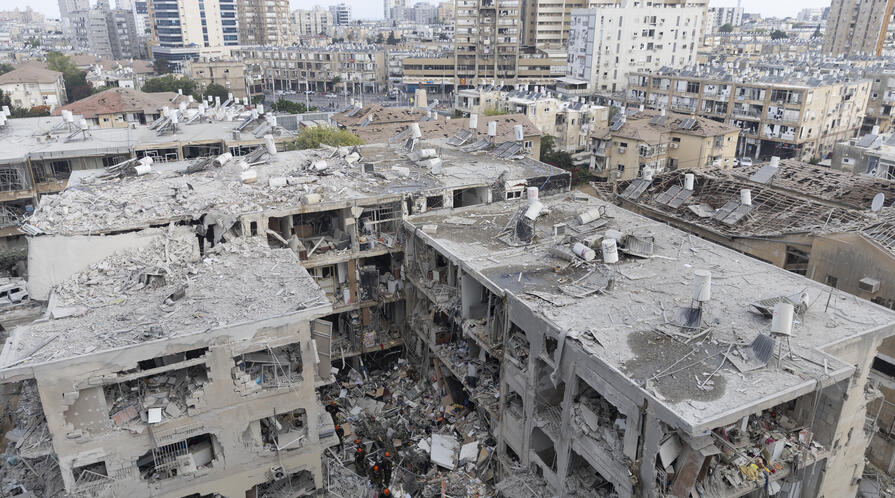
The phrase israel and iran war has increasingly dominated global headlines, policy debates, and public discourse. While there has not been a full-scale, officially declared war between the two nations, tensions between Israel and Iran have escalated dramatically over the past decade. From proxy conflicts in Syria and Lebanon to cyber warfare and targeted strikes, the shadow war between these regional powers has far-reaching implications for the Middle East and the wider world.
Understanding the israel and iran war requires context, nuance, and a careful look at history, ideology, geopolitics, and military strategy. This article offers a comprehensive, SEO-optimized analysis of the evolving confrontation, the risks of escalation, and what it means for global stability.
Historical Roots of the Israel and Iran War Tensions
To fully grasp the israel and iran war dynamic, we must go back to 1979. Before the Iranian Revolution, Israel and Iran maintained relatively cordial relations. Under the Shah, Iran was one of the few Muslim-majority countries that had informal ties with Israel.
Everything changed when the Islamic Republic of Iran was established under Ayatollah Khomeini. The new regime adopted a staunchly anti-Israel stance, labeling Israel as illegitimate and pledging support for Palestinian resistance movements. Since then, hostility has been embedded in Iran’s political doctrine.
Over the decades, the israel and iran war narrative has evolved from ideological opposition into military confrontation by proxy. Iran has supported groups such as Hezbollah in Lebanon and Hamas in Gaza, both of which have fought multiple conflicts with Israel. Israel, in turn, views Iran’s regional ambitions and nuclear program as existential threats.
For more background on Middle East conflicts, you can explore our in-depth analysis of regional geopolitics in our guide to Middle East power dynamics.
The Role of Proxy Wars in the Israel and Iran War
Although there has not been a traditional battlefield war between Israeli and Iranian armies, the israel and iran war has largely played out through proxy conflicts.
Syria as a Battlefield
Since the Syrian civil war began in 2011, Iran has expanded its military presence in Syria, backing President Bashar al-Assad. Iranian Revolutionary Guard Corps units and allied militias have established bases close to Israel’s northern border.
Israel has responded with hundreds of airstrikes targeting Iranian facilities and weapons shipments in Syria. These strikes are aimed at preventing Iran from establishing a permanent military foothold near Israeli territory.
This ongoing exchange has turned Syria into a central front in the israel and iran war, even though neither country formally declares direct hostilities.
Hezbollah and Lebanon
Hezbollah, backed and armed by Iran, represents another key element in the israel and iran war equation. The 2006 war between Israel and Hezbollah demonstrated how proxy forces could inflict significant damage.
Today, Hezbollah possesses a vast arsenal of rockets capable of striking deep into Israel. Israeli officials frequently warn that any future conflict with Hezbollah would be far more destructive than previous confrontations. Iran’s support for Hezbollah strengthens its deterrence strategy against Israel.
Nuclear Tensions and Strategic Red Lines
No discussion of the israel and iran war is complete without addressing Iran’s nuclear program.
Israel has consistently opposed Iran’s pursuit of nuclear capabilities, arguing that a nuclear-armed Iran would pose an existential threat. Iran maintains that its nuclear program is for peaceful energy purposes, but enrichment activities have raised concerns worldwide.
The Joint Comprehensive Plan of Action, commonly known as the Iran nuclear deal, was designed to limit Iran’s nuclear activities in exchange for sanctions relief. However, tensions escalated after the United States withdrew from the agreement in 2018, leading Iran to resume certain enrichment activities.
Israel has reportedly carried out covert operations, including cyberattacks and sabotage, to disrupt Iran’s nuclear progress. These actions form a hidden yet critical dimension of the israel and iran war, operating beneath the surface of public diplomacy.
For detailed information on nuclear policy, readers can consult the International Atomic Energy Agency website, a leading authority on nuclear monitoring and compliance.
Cyber Warfare and Intelligence Operations
Modern warfare extends beyond physical battlefields, and the israel and iran war is a prime example of this shift.
Both nations possess advanced cyber capabilities. Israel, known for its cybersecurity expertise, has allegedly participated in sophisticated cyber operations targeting Iranian infrastructure. One of the most widely reported incidents involved the Stuxnet virus, which disrupted Iran’s nuclear centrifuges.
Iran has also developed significant cyber capabilities, targeting Israeli institutions, infrastructure, and businesses. Cyber warfare adds an unpredictable dimension to the israel and iran war, as attacks can occur without immediate attribution or clear lines of escalation.
This digital front increases the complexity of deterrence and retaliation strategies, making the conflict harder to contain.
Regional Alliances and Global Powers
The israel and iran war is not just a bilateral issue. It intersects with the interests of global and regional powers.
The United States
The United States has historically been Israel’s strongest ally, providing military aid, diplomatic backing, and advanced defense systems. American policy toward Iran, especially regarding sanctions and nuclear negotiations, directly influences the trajectory of the israel and iran war.
Gulf States and Shifting Alliances
In recent years, several Arab nations normalized relations with Israel under the Abraham Accords. These agreements reflect a broader regional realignment driven partly by shared concerns about Iran’s influence.
As a result, the israel and iran war has reshaped diplomatic relationships across the Middle East, creating new partnerships and strategic calculations.
Risk of Direct Military Confrontation
While much of the israel and iran war has been indirect, the risk of direct military confrontation remains.
Periodic escalations, such as missile exchanges or targeted assassinations, raise fears of a broader regional war. Any direct clash between Israeli and Iranian forces could draw in Hezbollah, Syrian militias, and potentially global powers.
Such a conflict would likely involve advanced missile systems, airpower, and cyber operations. The humanitarian and economic consequences would be severe, affecting global oil markets and regional stability.
Economic and Humanitarian Impact
The israel and iran war, even in its current shadow form, has significant economic and humanitarian implications.
Sanctions on Iran have strained its economy, leading to domestic challenges. Meanwhile, Israel allocates substantial resources to defense systems like Iron Dome and missile interception technologies.
If tensions escalate further, regional trade routes, energy supplies, and civilian populations could face major disruptions. The broader Middle East, already dealing with political instability, would bear much of the impact.
Media Narratives and Information Warfare
Information plays a crucial role in shaping perceptions of the israel and iran war.
Both governments use media messaging to frame actions as defensive or necessary. International media coverage often highlights missile strikes, nuclear negotiations, and diplomatic statements, influencing global opinion.
In an era of social media, narratives spread rapidly, sometimes amplifying misinformation. Understanding the israel and iran war requires critical evaluation of sources and awareness of propaganda strategies.
Possible Future Scenarios
The future of the israel and iran war could unfold in several ways.
Diplomatic engagement could reduce tensions, especially if nuclear negotiations resume successfully. Confidence-building measures might lower the risk of accidental escalation.
Alternatively, continued proxy battles and covert operations may define the relationship for years to come. A sudden trigger event, such as a high-profile attack or miscalculation, could spark direct confrontation.
Most analysts agree that both nations seek to avoid full-scale war, yet the ongoing hostilities suggest that strategic rivalry will persist.
Conclusion: Understanding the Israel and Iran War in a Complex World
The israel and iran war is not a conventional war with clear front lines and declarations. Instead, it is a multifaceted confrontation spanning ideology, proxy conflicts, cyber operations, nuclear diplomacy, and regional alliances.
At its core, the israel and iran war reflects deeper struggles for influence, security, and power in the Middle East. While both sides carefully calibrate their actions to avoid total war, the constant tension keeps the region on edge.
For policymakers, analysts, and concerned global citizens, understanding the israel and iran war is essential. Its consequences extend far beyond the borders of Israel and Iran, shaping the future of regional stability and international security.
For more expert analysis on global conflicts and geopolitical risks, explore our related coverage on international security trends and conflict analysis.
FAQs About Israel and Iran War
What is the main cause of the Israel and Iran war tensions?
The primary cause is ideological hostility combined with strategic rivalry. Iran opposes Israel’s existence and supports anti-Israel groups, while Israel views Iran’s military expansion and nuclear ambitions as existential threats.
Has there been a direct war between Israel and Iran?
As of now, there has been no officially declared, full-scale direct war. Most hostilities occur through proxy conflicts, airstrikes, cyber operations, and covert missions.
Why is Iran’s nuclear program central to the conflict?
Israel believes a nuclear-armed Iran would threaten its survival. This concern drives many Israeli policies, including diplomatic pressure and alleged sabotage efforts.
How does the Israel and Iran war affect the global economy?
Escalations can impact oil prices, regional trade routes, and investor confidence. Broader conflict could disrupt energy supplies from the Middle East.
Could diplomacy resolve the Israel and Iran war?
Diplomacy, particularly around nuclear negotiations and regional security frameworks, could reduce tensions. However, deep mistrust and ideological differences make resolution complex.
